Quantum and precision photonics
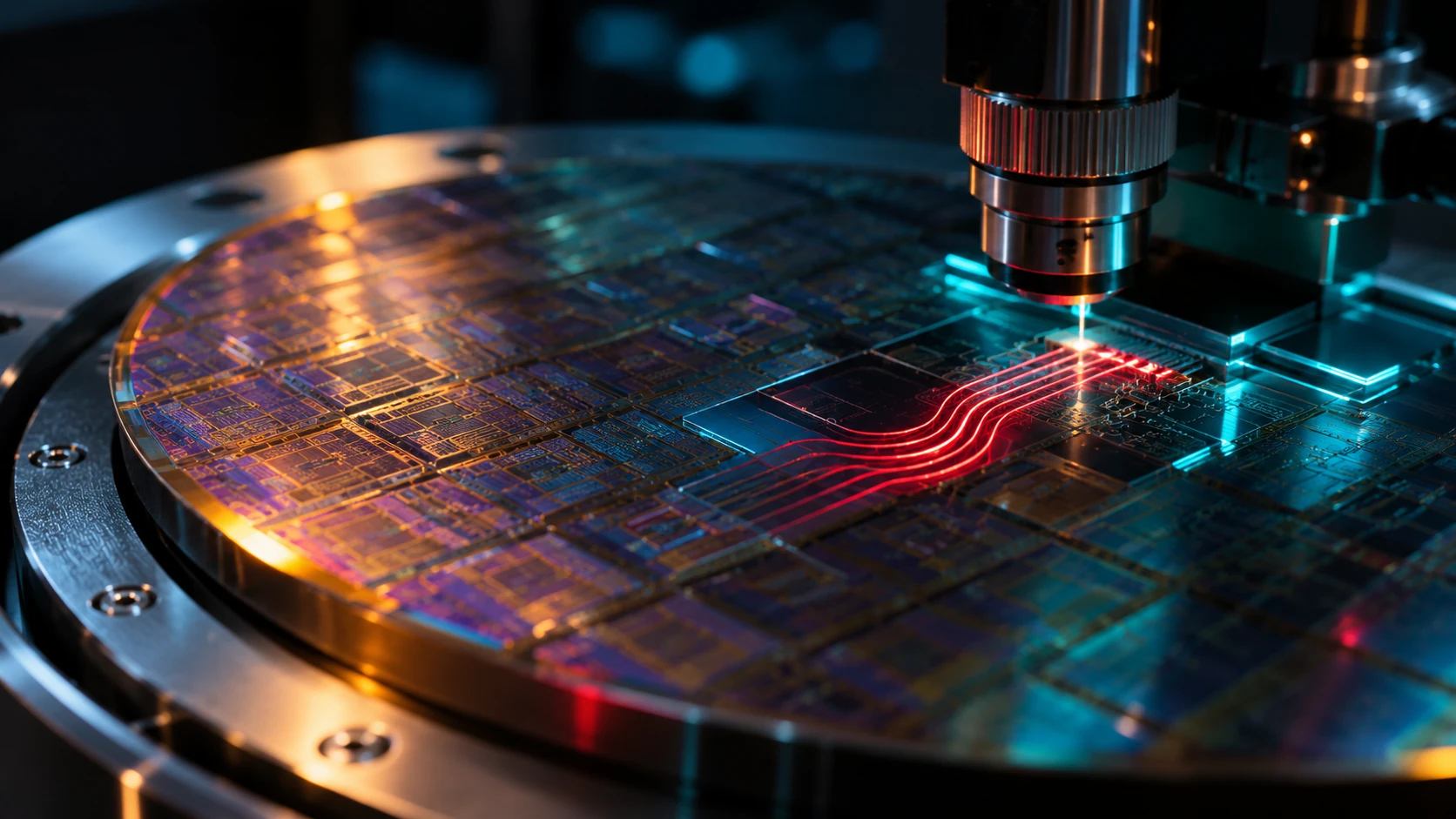
Photonic circuits for precision measurement and quantum-optical experiments.
Why this frontier matters
Integrated quantum photonics is an active research area focused on sources, detectors, squeezing, interferometry and controlled manipulation of optical states.
How the technology works
Waveguides and resonators shape and route light. Low-loss optics and precisely characterized detectors are essential for reproducible experiments. Quantum performance must be evaluated separately from classical bandwidth claims.
Where the technology fits
- Chip-scale interferometry and precision sensing
- Integrated quantum light-generation experiments
- Spectral and timing reference components
Commercialization realities
Turning a technical function into a reliable product requires qualification, integration, operational evidence and an economic reason to adopt the system. A compelling physical mechanism is not, on its own, proof of market demand for a particular brand or domain.
- Loss, device variability and noise degrade quantum performance.
- Quantum demonstrations are not interchangeable with commercial computing systems.
- Scaling may require cryogenic detectors and challenging packaging.
Chip-scale squeezing and state manipulation remain sensitive to optical loss, phase stability and detector efficiency. A controlled laboratory demonstration is not evidence of field-ready quantum infrastructure.
Selected technical reading
- NIST — Photonics and Chip Scale Devices
NIST documents photonic integration in metrology, portable sensing and laser spectroscopy.
- Nature Photonics (2026) — Integrated photonics for continuous-variable quantum optics
Clark et al. review chip-scale sources, detectors and measurement of continuous-variable quantum optical states.