A name with optical depth.
InvisiblePhotonics.com pairs a memorable visual metaphor with a serious technical discipline. Its value case is brand architecture and positioning freedom—not a promised outcome or a universal category claim.
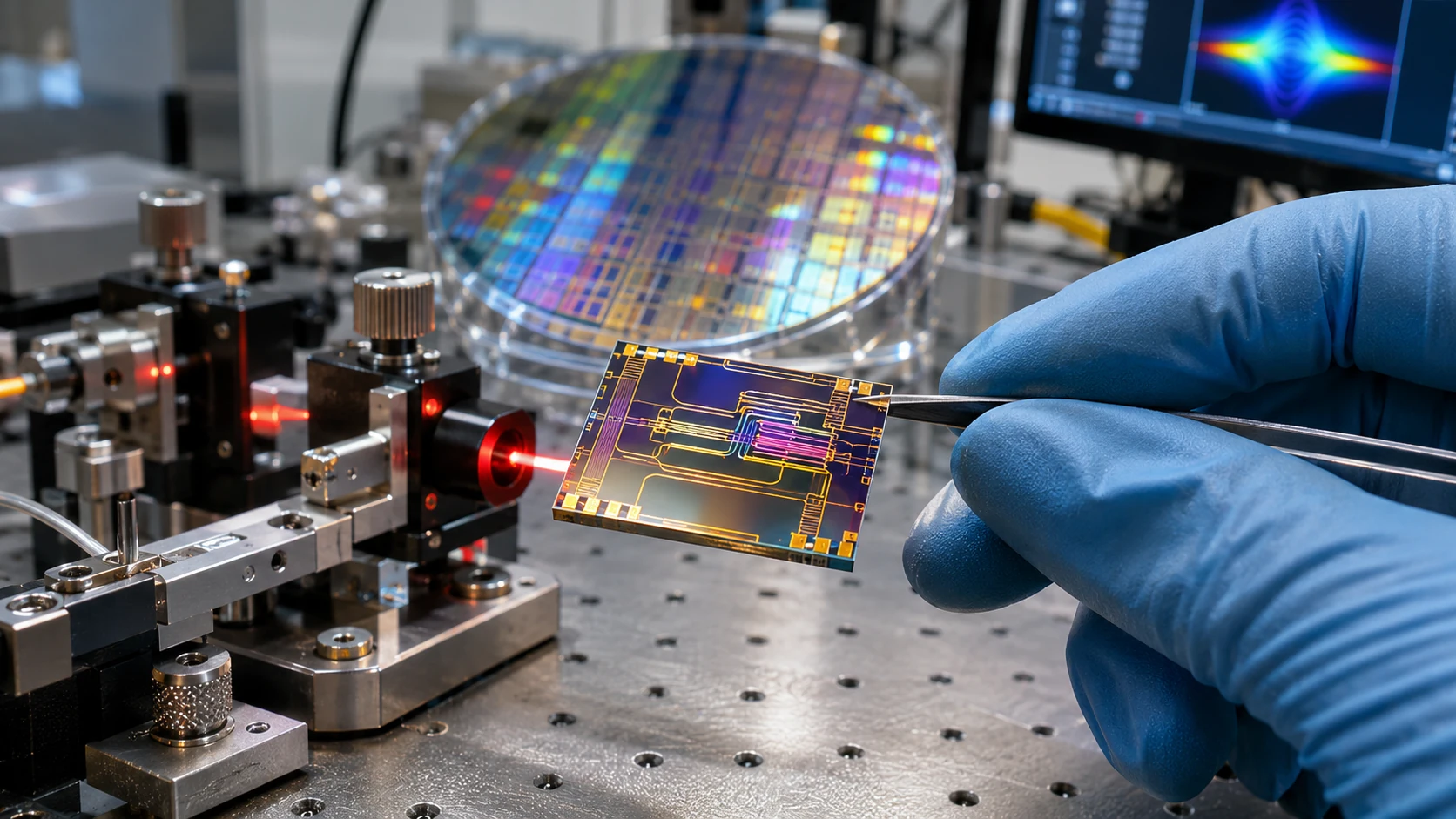
The semantic proposition
Invisible suggests unseen wavelengths, embedded capability, precision and discretion. Photonics anchors the identity in the science and engineering of light. Together they offer a distinctive phrase, although not a universally recognized equipment or component category.
Who could plausibly use the name?
Potential buyer profiles include a photonic instrumentation startup developing beyond-visible sensors, a corporate R&D group introducing an integrated optical platform, an optical-materials venture, or a laboratory-to-market company seeking a broader umbrella brand. These are possibilities, not a roster of confirmed purchasers.
What would the buyer acquire?
The domain provides a coherent .com naming asset and potential online identity. It does not include patented inventions, a working photonics business, a guaranteed trademark registration, customer demand, ranking positions or rights to any research cited on the site.
Strengths and trade-offs
- Strength: descriptive anchor in a credible technology field.
- Strength: room for optical sensing, hardware, integration and engineering narratives.
- Trade-off: two-word length and metaphorical rather than exact product-category meaning.
- Trade-off: buyers can use alternative names or their current domains.
- Trade-off: trademark clearance remains a purchaser-specific legal diligence requirement.
Commercial use and transaction reality
The most defensible transaction thesis depends on a buyer whose chosen identity genuinely benefits from this particular pairing of words. Desirability does not create necessity; a capable company can build successfully under another name. We do not calculate a fabricated incremental ROI or publish asking prices.
Brand development directions
A scientific instrumentation identity could lead with "beyond-visible insight"; an integrated-hardware brand might emphasize "capability designed into the system"; and a research spinout might focus on "precision at the scale of light." These are positioning examples, not existing commercial offerings.
A buyer should commission a jurisdiction- and goods-specific trademark search before adopting a public-facing mark. Ownership of a domain does not itself establish trademark rights.